Estate clean up Hampstead Vale rubbish removal guide
Posted on 06/06/2026
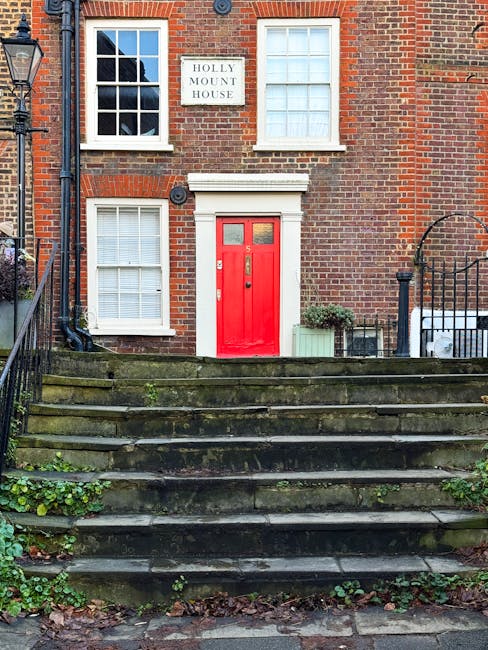
If you are facing an estate clean up in Hampstead Vale, the job can feel bigger than it first looks. One room turns into a whole property, then the loft, the shed, the garden, and suddenly there are piles of furniture, paperwork, white goods, and awkward odds and ends everywhere. This Estate clean up Hampstead Vale rubbish removal guide is here to make the process clearer, calmer, and far more manageable.
Whether you are clearing a family home, handling a probate property, preparing a place for sale, or simply dealing with years of accumulated clutter, the key is to work methodically. In practice, a good clean up is not just about taking things away. It is about sorting, identifying valuables, protecting what should stay, and making sure the removal is done safely and responsibly. Let's face it, nobody wants to discover halfway through that the skip is full of things that could have been donated, recycled, or kept.
This guide walks you through how estate clean up and rubbish removal usually works in Hampstead Vale, what to expect, what to avoid, and how to choose the right approach for the property in front of you.
- Why it matters
- How it works
- Key benefits
- Who needs this
- Step-by-step guidance
- Expert tips
- Common mistakes
- Tools and resources
- Compliance and best practice
- Options comparison
- Real-world example
- Practical checklist
- Conclusion
- Frequently asked questions
Why Estate clean up Hampstead Vale rubbish removal guide Matters
Estate clearance is rarely just a tidy-up. It is often tied to a bigger life event: bereavement, a move, downsizing, renovation, letting, sale, or the end of a tenancy. That emotional weight matters. So does timing. A property left half-cleared can hold up valuations, viewings, probate work, repairs, or insurance-related decisions.
In Hampstead Vale, where properties can have basements, lofts, old outbuildings, and tightly packed access, a disorganised approach can also create practical headaches. Items get blocked in stairwells. Bags multiply in the hallway. Things that should have been separated end up mixed together. You do not need drama on top of logistics.
A well-planned estate clean up helps you:
- protect items of value or sentimental importance
- avoid unnecessary disposal costs
- reduce stress for family members or executors
- prepare the property for sale, rental, or refurbishment
- handle rubbish removal with less disruption
There is also a real sustainability angle here. Not everything needs to be thrown away. Some items can be reused, repurposed, or recycled, which is why many people now think beyond simple disposal. If that broader mindset interests you, you might also like the thinking behind recycling and sustainability and how reclaimed items can be given a second life, rather than becoming landfill-bound clutter.
Expert summary: The best estate clean ups are not the fastest ones, but the ones that are planned, sorted, documented, and cleared in the right order.
How Estate clean up Hampstead Vale rubbish removal guide Works
Most estate clean ups follow a similar pattern, though the size and condition of the property can change the pace quite a bit. A small flat with limited contents is one thing. A multi-storey house packed with decades of belongings is another story entirely.
Usually, the process starts with an initial assessment. This may be a quick walkthrough, photos, or a phone discussion if access is awkward. The point is to understand the volume of items, what needs special handling, and whether there are bulky pieces, fragile items, or anything hazardous.
From there, the clean up tends to move through four broad stages:
- Identify and separate what should stay, what should go, and what needs a closer look.
- Sort the waste streams so furniture, appliances, general rubbish, garden waste, and builder-style debris are handled properly.
- Remove items safely from the property without damaging walls, staircases, flooring, or shared hallways.
- Dispose, recycle, or redirect the items to the correct route.
That last step is more important than many people realise. A responsible clean up is not just a lift-and-dump job. It should align with licensed waste handling and sensible recycling practices. For a clearer look at how providers usually structure that side of things, services overview is useful context before you book anything.
In practical terms, the best teams bring muscle, a plan, and enough judgement to know when a pile of "rubbish" actually contains reusable or recyclable material. That judgement is worth paying for, to be fair.
Key Benefits and Practical Advantages
A properly managed estate clean up gives you more than a clear floor. It can save time, reduce avoidable costs, and take a lot of pressure off everyone involved. If you are dealing with relatives, solicitors, agents, or tenants, that matters more than people admit at the start.
Cleaner decisions, fewer mistakes
When items are sorted properly, it becomes easier to see what is genuinely valuable, what is recyclable, and what is simply in the way. That clarity can prevent accidental disposal of paperwork, keepsakes, and practical household goods.
Faster preparation for sale or letting
Estate properties often need to be made viewable quickly. A clear space helps photographs, inspections, trades work, and valuations. It also makes the whole property feel less overwhelming. You know that moment when a room suddenly looks twice the size once the old furniture is gone? Exactly that.
Safer working conditions
Old furniture, broken glass, loose nails, damp boxes, and overloaded bags can all create avoidable risk. Safe lifting, careful bagging, and clear walkways reduce the chance of injury or damage. If safety is a concern, it is worth reviewing insurance and safety information before any large clearance begins.
Better environmental outcomes
Recycling and reuse matter. Furniture, metals, electricals, textiles, and some household items can often be separated and sent down a more responsible route than general waste. That is especially useful in estate clear ups where quantities are high and the mix of materials is messy.
Less emotional strain
This one is easy to underestimate. Estate clearing can be emotionally tiring. A methodical rubbish removal plan gives you structure, which is often what people need most. Small win, then another small win. It adds up.
| Benefit | Why it matters in estate clean up | Best practical outcome |
|---|---|---|
| Sorting before removal | Reduces accidental disposal | Valuables and documents are protected |
| Separate waste streams | Supports recycling and proper handling | Less landfill, more reuse |
| Professional lifting | Protects the property and people | Fewer injuries and less damage |
| Planned clearance | Keeps probate, sale, or refurbishment on track | Faster handover and fewer delays |
Who This Is For and When It Makes Sense
Estate clean up services are not only for large houses or difficult situations. They make sense anywhere the property contains more than can be reasonably handled in one domestic tidy-up. In Hampstead Vale, that often means homes with basement storage, lofts, garages, garden furniture, or several rooms of mixed contents.
This guide is especially relevant if you are:
- an executor or administrator handling a probate estate
- a family member helping after a bereavement
- preparing a property for sale or valuation
- clearing a rental after a long occupancy
- downsizing from a larger property to something more manageable
- dealing with a property that has been partly emptied, but not properly sorted
It also makes sense if the property includes bulky furniture, white goods, old mattresses, or boxes of mixed domestic waste. Those items can become difficult to move once they are stacked awkwardly, and the job tends to get worse the longer it is left.
For some jobs, a full house clearance is the cleanest route. For others, you may only need targeted rubbish collection or furniture removal. The trick is not overbuying the service you do not need. If the property is mostly cleared already, a smaller, more focused service can be the sensible choice.
And if the property also needs outdoor attention, a combined approach with garden waste removal or loft clearance can often save time because everything is handled in one planned visit.
Step-by-Step Guidance
If you want the clean up to feel controlled rather than chaotic, work through it in order. A rushed estate clearance usually creates more sorting work later. Here is a practical sequence that works well in real homes.
1. Walk the property before moving anything
Take a slow look through every room, storage area, and external space. Note bulky items, fragile contents, paperwork, and anything that looks personal or potentially valuable. A quick phone video can help if several people are involved and not everyone can attend.
2. Set up clear categories
Use simple categories: keep, donate, recycle, dispose, and review later. That last one is useful. It prevents premature decisions when you are tired and staring at a cupboard full of mixed odds and ends.
3. Protect important documents and items first
Put passports, certificates, photo albums, jewellery, keys, and anything financial or legal in one secure place. Do this before the main removal starts. It sounds obvious. People still miss it.
4. Separate furniture, appliances, and general rubbish
Large items are often the backbone of the clearance. Furniture, fridges, washing machines, wardrobes, and bed frames may need different handling from bags of household waste. If the job includes heavy items, it is worth looking at furniture removal and white goods and appliance disposal options rather than trying to force everything into one pile.
5. Clear the easiest areas first
Start with rooms that give quick visual wins, such as the hallway, reception room, or front bedroom. That creates space to move bigger items out safely. In an old house, clearing access first makes a surprisingly big difference.
6. Tackle hidden storage
Lofts, cupboards, cellars, under-stair storage, and sheds usually take more time than expected. Expect dust, awkward angles, and more bin bags than you imagined. It is never just "a quick look upstairs".
7. Load for safe removal
Heavy items should go first in a way that keeps lifting manageable. Sharp items should be wrapped or boxed. Loose rubbish should be bagged securely. If you are using a professional team, this is where experience really shows.
8. Finish with a final sweep
Once the main removal is complete, walk the property again. Check corners, drawers, shelves, loft edges, and behind larger furniture. This final check catches the small things that tend to get missed when the day is noisy and busy.
Expert Tips for Better Results
There are a few practical habits that make estate clean ups go smoother. Nothing flashy. Just sensible work done in the right order.
- Book a realistic time window. If access is tight or the contents are heavy, do not cram the job into an unrealistic slot.
- Photograph rooms before you start. Helpful for family discussions, probate records, or disputes about what was where.
- Keep a "review pile" separate. This avoids accidental disposal of items that need a second opinion.
- Ask about recycling routes. Some teams are better at diverting waste than others.
- Check access before collection day. Narrow roads, controlled parking, and shared entrances can all slow things down.
- Remove sentimental items early. They are easy to overlook once the clearance is in full swing.
A small but useful tip: keep tea, water, bin bags, tape, and marker pens close to hand. It sounds trivial until you are halfway through a dusty loft and realise nobody can find a pen. Human beings are funny like that.
If you are comparing providers, it is also smart to check how they handle payments and practical admin. A clear and secure booking process helps avoid confusion, especially when family members or solicitors are involved. See payment and security if you want to understand what a more organised setup should look like.

Common Mistakes to Avoid
Most estate clean up problems come from rushing. Not always, but often enough. The same errors crop up again and again, and they are easy to avoid once you know what to look for.
Skipping the sort
Throwing everything into one pile may feel efficient for ten minutes. Then it becomes a mess to separate later. Sort first, remove second.
Forgetting about access
Stairwells, parking, shared entrances, and lift size can all shape the job. If access is awkward, plan for it. There is a useful local perspective on this in rubbish removal access tips for NW3, which is a good reminder that London properties are rarely straightforward.
Ignoring electrical and bulky waste rules
Some items need specific handling. Old TVs, fridges, freezers, and small appliances should not just be shoved in with black bags and forgotten.

Underestimating sentimental delay
One drawer can stall a whole room. It happens. Give yourself permission to pause and review, but set a limit so the process keeps moving.
Choosing a clearance method that does not fit the job
A massive clearance may need a full team, while a small flat after partial sorting might only need a collection service. Matching the method to the actual contents saves money and frustration.
Leaving compliance too late
If waste is being removed by a third party, you want confidence that it is handled properly. Ask the awkward questions early, not after the lorry has gone.
Tools, Resources and Recommendations
You do not need a warehouse full of equipment, but a few basics make life easier. In our experience, the simplest toolkit often works best.
- Heavy-duty bags for mixed rubbish and lighter textiles
- Boxes or crates for documents, ornaments, and fragile items
- Labels or marker pens for keep, remove, review, and donate piles
- Gloves and sturdy footwear for dusty or cluttered rooms
- Mask and cleaning cloths if lofts, basements, or storage areas are particularly dusty
- Phone camera for quick inventories and room records
For larger jobs, it helps to think in service layers rather than one big removal. A property may need estate clean up, then separate house clearance, then a final rubbish collection for the residual bits left behind. That kind of staged approach is often more efficient than trying to do everything in one sweep.
If you are also dealing with business contents rather than domestic items, commercial waste removal may be the better fit. Offices and mixed-use properties tend to generate a different waste profile entirely.
Law, Compliance, Standards, or Best Practice
Estate clean ups can touch on regulated waste handling, safety, access, and sometimes privacy concerns where documents or records are involved. You do not need to become a compliance expert overnight, but a few common-sense checks matter.
In the UK, waste should be handled by a responsible carrier, and the person arranging the clearance should feel confident that materials are being removed lawfully. Best practice is to use a provider that can explain how waste is transferred, sorted, and processed. If the team cannot explain that in plain English, that is a bit of a warning sign.
It is also wise to remember that some materials deserve special care:
- Electrical items may need separate treatment
- Sharp or broken objects should be contained safely
- Potentially contaminated items should not be mixed casually with normal household waste
- Personal paperwork should be secured before the clearance starts
For peace of mind, check that any provider you use is transparent about standards and responsibility. Pages such as waste carrier licence and compliance and terms and conditions are helpful indicators of how seriously a business treats the legal and practical side of the work.
Finally, if the property includes adapted access, step-free routes, or visitor restrictions, it is worth thinking about accessibility too. That is not just polite; it can make a genuine difference on the day. Accessibility information is one of those things people ignore until they need it, then suddenly it matters a lot.
Options, Methods, or Comparison Table
There is no single right way to handle an estate clean up. The best method depends on property size, access, urgency, contents, and how much sorting you want to do yourself. Here is a useful comparison.
| Method | Best for | Pros | Trade-offs |
|---|---|---|---|
| DIY clearance | Small jobs with plenty of time | Maximum control, low labour cost | Slow, physically demanding, easy to mis-sort |
| Partial self-sort + collection | Homes where valuables are already separated | Good balance of cost and convenience | Still requires time and some lifting |
| Full estate clearance service | Large, complex, or sensitive properties | Fast, organised, less stress | Higher upfront cost than doing it yourself |
| Staged clearance | Probate, renovation, or phased handovers | Flexible and tidy | Needs coordination across several visits |
For many Hampstead Vale properties, the staged route is the sweet spot. First the obvious rubbish. Then furniture and appliances. Then the smaller storage areas. It feels slower on paper, but often it is the tidiest way to work in real life.
Case Study or Real-World Example
Here is a realistic example, drawn from the kind of situation people often face. A family is preparing a two-storey Hampstead Vale property after a long tenancy and an elderly relative's move into care. The downstairs rooms are mostly intact, but the loft is full, the spare bedroom has old wardrobes and boxes, and the garden contains broken chairs, plant pots, and bags of mixed waste.
At first glance, the job looks manageable. Then they start opening cupboards, and the mess seems to spread. Classic. They pause, make a simple room-by-room list, and separate the contents into keep, donate, recycle, and remove. Important papers are set aside immediately. One family member handles documents, another checks the loft, and the rest focus on clearing the hallway and main rooms so items can move safely out of the property.
Instead of treating it like one huge job, they split it into stages:
- secure documents and keepsakes
- remove obvious rubbish and bagged waste
- clear furniture and white goods
- finish with loft and garden areas
- do a final walk-through before handover
The result is a much calmer process. The property becomes sale-ready without frantic last-minute sorting, and far less waste is thrown away than expected. A few items are donated, some are recycled, and the rest are removed responsibly. That is the kind of outcome you want.
Truth be told, the real win is not just the cleared rooms. It is the relief everyone feels when the place stops looking like a problem and starts looking like a property again.
Practical Checklist
Use this checklist before and during the clean up. It keeps the day grounded, especially when emotions or time pressure are involved.
- Confirm who has authority to clear the property
- Walk through every room before moving items
- Set aside keys, documents, photos, jewellery, and valuables
- Decide what stays, what goes, and what needs review
- Separate furniture, appliances, garden waste, and general rubbish
- Check stairways, parking, and access restrictions
- Confirm whether any items need special handling
- Choose a disposal route that supports reuse and recycling where possible
- Keep a final room-by-room sign-off before the property is handed over
- Store receipts, records, and notes in case they are needed later
It sounds like a lot, but once you start, the list becomes surprisingly manageable. One room at a time. That is the pace.
Conclusion
An estate clean up in Hampstead Vale does not have to feel overwhelming. With the right order, a little patience, and a sensible approach to rubbish removal, you can move from cluttered and uncertain to clear, workable, and ready for the next step. Whether the goal is sale, probate, refurbishment, or simply a decent reset, the same principle applies: sort carefully, remove responsibly, and do not rush the important bits.
When you plan the clearance properly, you protect valuables, reduce stress, and give the property the best chance of a smooth handover. That is especially useful in London homes where access can be awkward and contents are often more varied than people expect. A calm, well-run clean up really can change the whole feel of the place.
Get a free quote today and see how much you can save.
And if you are still weighing up your next step, start small. Make the first list, clear the first room, and let the rest follow. It is rarely as impossible as it looks on day one.